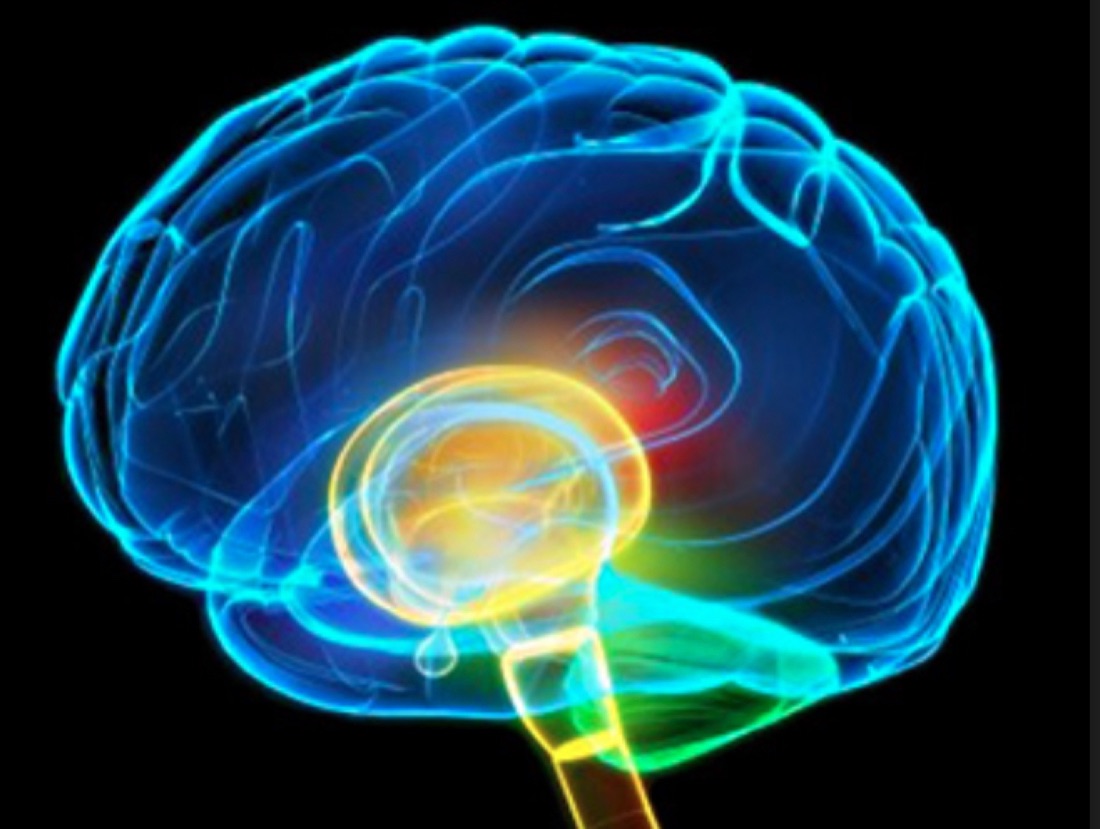
In the control center of our body, a protein called BDNF (brain-derived neurotrophic factor) acts like fertilizer for brain cells. Found mainly in the brain and spinal cord, it fuels the growth, survival and flexibility of neurons, playing a key role in learning, memory and mood, throughout our whole lives. Ketamine's rapid antidepressant effects appear to be linked to its ability to raise BDNF levels, giving brain cells a much-needed boost.
Exactly how ketamine increases BDNF is still being researched, but there are a few leading theories:
- NMDA receptor blocking. Ketamine blocks NMDA receptors, which may trigger a chain of signals that increases BDNF production.
- Increased glutamate activity. By blocking NMDA receptors, ketamine may indirectly boost glutamate activity in certain brain regions, which may in turn stimulate BDNF.
- Activation of signaling pathways. Ketamine may activate pathways inside neurons, involving molecules like mTOR and the BDNF receptor TrkB, that promote BDNF production.
Clinical studies have consistently shown ketamine's fast-acting antidepressant effects, making it a meaningful option for major depressive disorder. The rise in BDNF is believed to be a key reason why. It may bring quick relief and also encourage new neural connections, potentially supporting mood stability even after the medicine has left the body.
Notably, the much higher doses used for anesthesia don't share these antidepressant effects. The benefits appear to be dose-dependent, with lower doses (around 0.5 mg/kg) working best. That's exactly why we prioritize low-dose treatment: it's not only about safety, it's about the best possible outcomes.