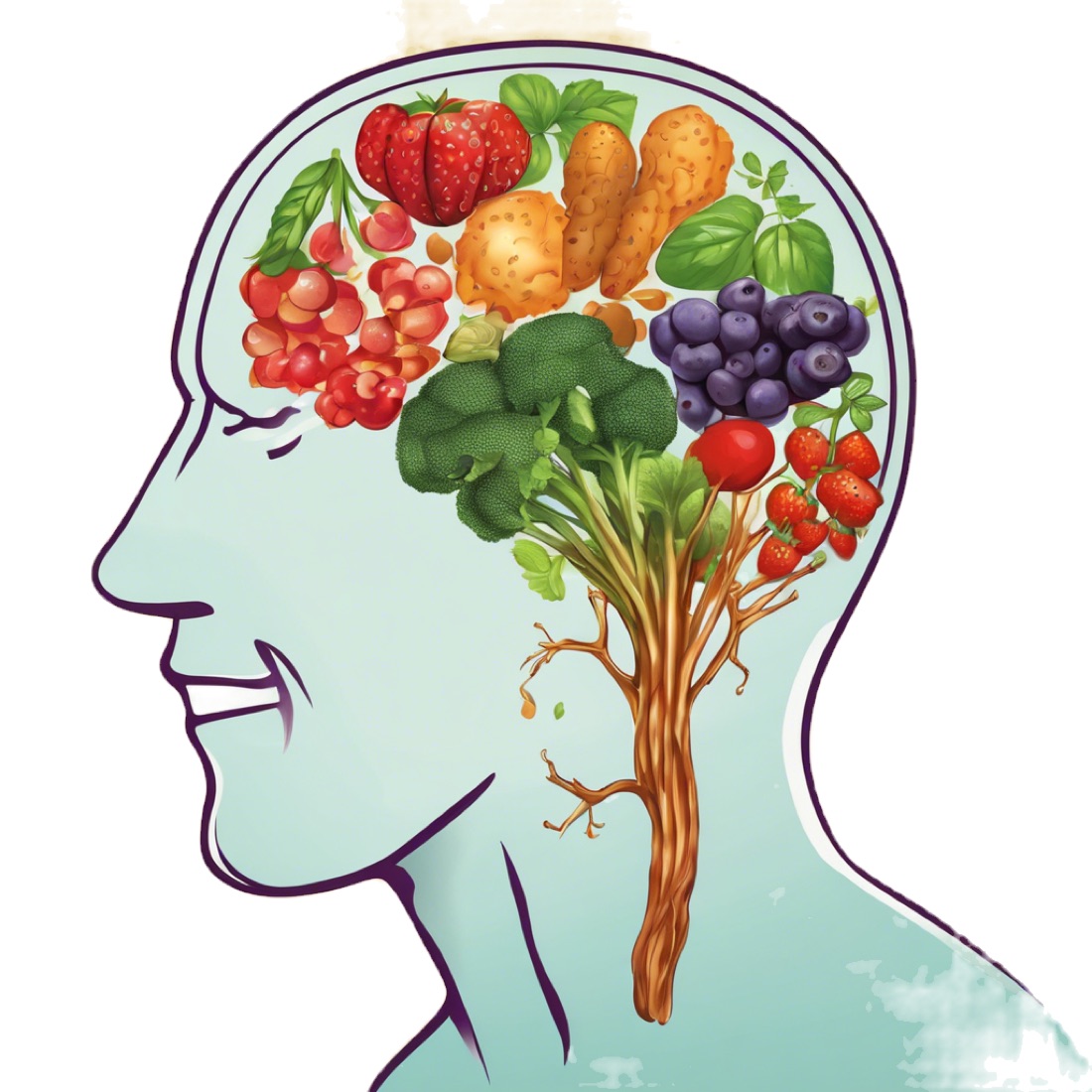
The foods we eat influence our brain's chemistry. Key nutrients play pivotal roles in:
Neurotransmitter synthesis. Nutrients like B vitamins, tyrosine and tryptophan are building blocks for neurotransmitters such as dopamine, serotonin and norepinephrine, which regulate mood, memory and cognitive function.
Brain cell health. Antioxidants such as flavonoids and carotenoids help protect brain cells from oxidative stress by neutralizing free radicals. Omega-3 fatty acids are integral parts of brain cell membranes. They support brain development, improve cognitive function, and may reduce the risk of neurodegenerative diseases.
Blood flow and energy. Iron and magnesium help maintain healthy blood flow in the brain. Iron is a vital part of hemoglobin, which carries oxygen from the lungs to the whole body, including the brain. Magnesium helps relax blood vessels, improving blood flow to the brain.
Memory and learning. Choline is a component of brain cell membranes and a precursor to acetylcholine, a neurotransmitter involved in memory and learning.
Food focus
- Omega-3 fatty acids: salmon, mackerel, flaxseed oil, walnuts
- B vitamins, tyrosine and tryptophan: lentils, turkey, pumpkin seeds, sunflower seeds
- Antioxidants: berries, dark chocolate, artichokes, garlic, goji berries, red bell peppers
- Choline: eggs, liver, shiitake mushrooms, Brussels sprouts
- Iron: organ meats, lamb, chicken, lean beef, shellfish, dark leafy greens
- Magnesium: Swiss chard, brown rice, kale, cashews, chia seeds, edamame
Why should we care?
Reduced risk of neurodegenerative disease. A diet rich in brain-healthy foods has been linked to a lower risk of diseases like Alzheimer's and Parkinson's.
Improved cognitive function. Regularly eating these foods can support memory, attention and problem-solving.
Mood regulation. Nutrients that support neurotransmitter production can help regulate mood and ease symptoms of depression and anxiety.
In conclusion
The connection between diet and brain health is fascinating. A nutrient-rich diet can meaningfully support cognitive function and long-term brain health. By adding brain-boosting foods to your daily routine, you're caring for your mind from the inside out.