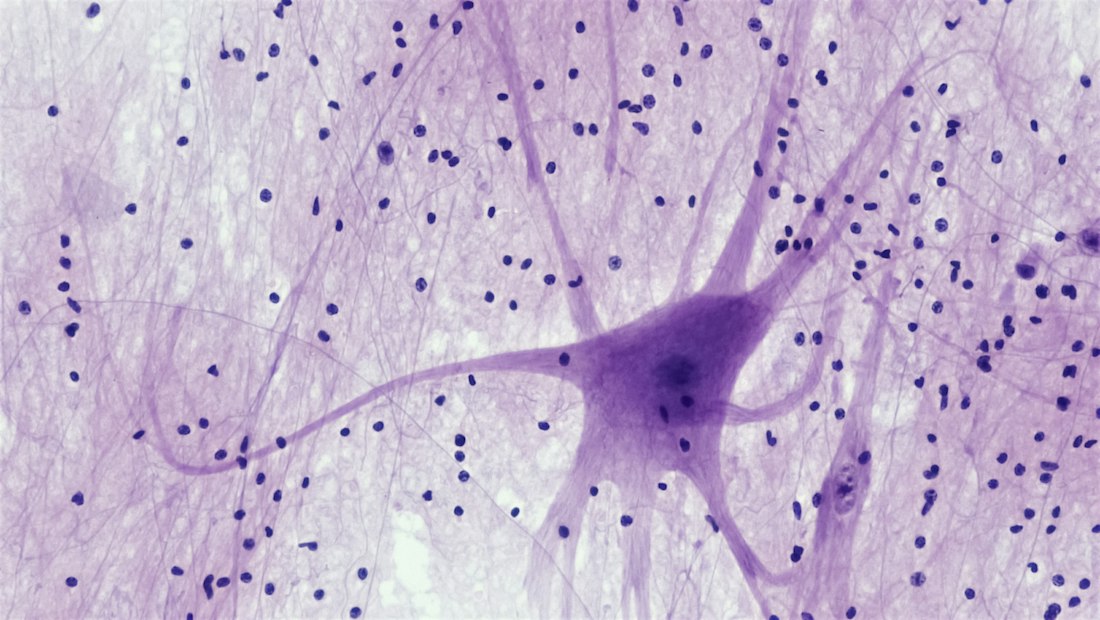
There's something I've been telling clients for years, and it still gives me chills: your skin and your brain began in the same layer of cells.
One Layer, Two Paths
Around the third week of development, an embryo organizes itself into three layers of cells. The outermost is called the ectoderm. Part of it folds inward to form the neural tube, which becomes the brain and spinal cord. Much of the rest stays on the surface and becomes the epidermis, the outer layer of your skin. Along the edges of that fold, a remarkable group of cells called the neural crest breaks away and travels through the body, becoming the sensory nerves that serve the skin, along with the cells that give skin its color.
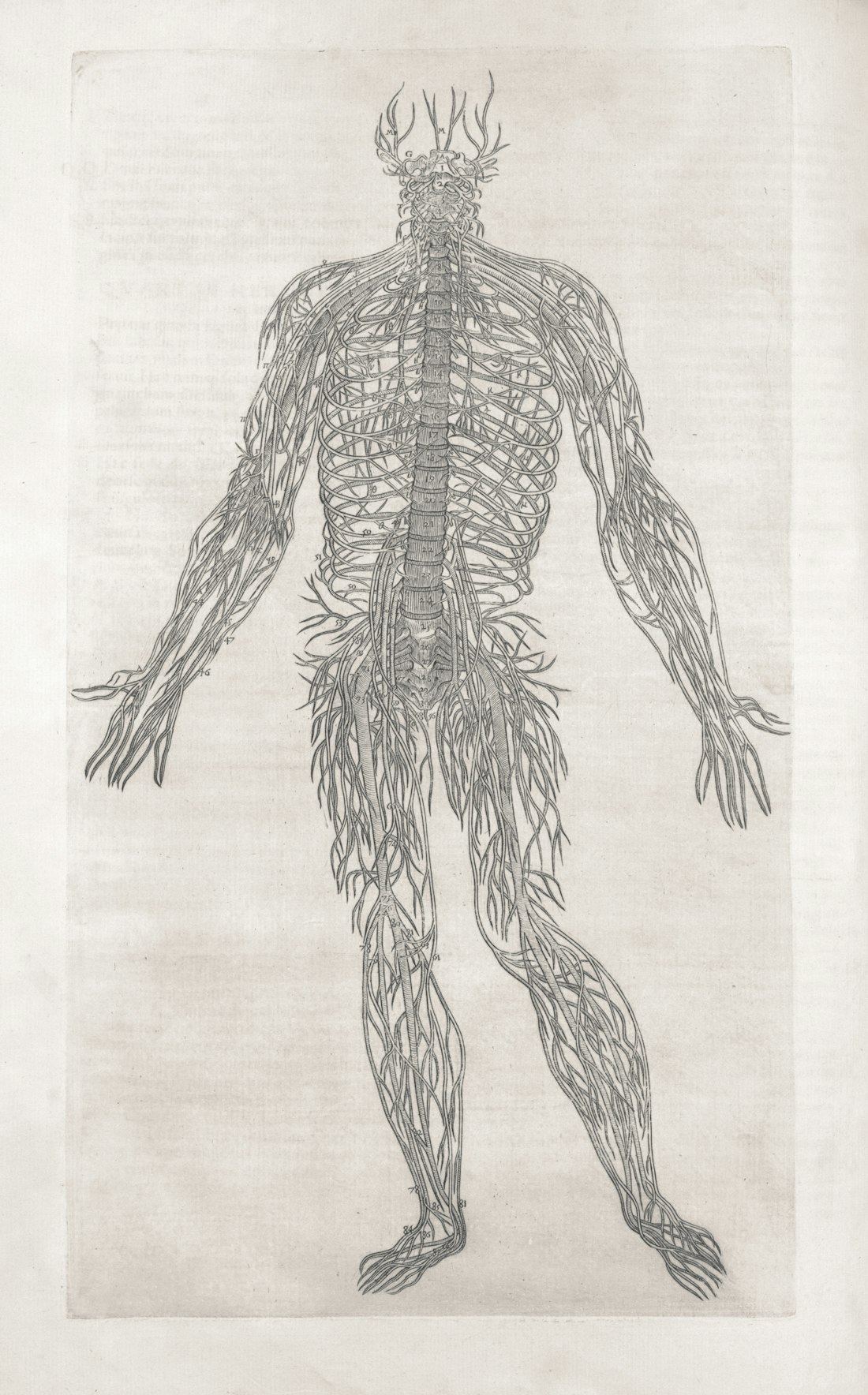
In his 1971 book Touching, the anthropologist Ashley Montagu suggested we think of the skin as "the external nervous system." I love that. Shared origins alone don't explain why touch moves us so deeply, since hair, nails and tooth enamel come from the ectoderm too. But it's a beautiful clue, and the wiring is where it gets really interesting.
Nerves Built for Gentle Touch
Most of us learned that touch nerves tell the brain what we're feeling and where. But on skin like your arms and back, there is a second system of slow nerve fibers called C-tactile afferents. They respond best to slow, light stroking, about the speed of a caress.
In a landmark 2002 study, researchers worked with a patient who had lost the large, fast nerves that carry ordinary touch. Gentle brushing still produced a faint, pleasant sensation. It also activated the insula, a part of the brain involved in emotion and in sensing the inner state of the body, while the usual touch areas stayed quiet. Touch, it turns out, has its own line to feeling.
Why This Matters for Stress and Trauma
In The Body Keeps the Score, Dr. Bessel van der Kolk describes trauma as more than a painful memory. It can leave the body's alarm system stuck on, long after the danger has passed. Some people live on high alert. Others feel numb, or far away from their own bodies. For many, safe touch can be a gentle way back: a chance to feel the body as a place that can be at ease.
One of my favorite studies put married women in a brain scanner under the threat of a mild shock. When they held their husband's hand, activity in the brain's threat systems calmed, and the effect was strongest in the happiest marriages. A stranger's hand helped less. It was a small study, but it says something I see every day: touch matters, and so does how safe it feels.
What We Don't Know Yet
You may have read that massage lowers cortisol. A 2011 review found that effect is much smaller than often claimed. Research on massage for PTSD is also still small and early. Bodywork isn't a replacement for trauma therapy, and approaches like cognitive processing therapy have strong evidence behind them. I see bodywork as a companion to that work, one that speaks to the part of us that words don't always reach.
Safety Comes First
Touch isn't automatically soothing. For people who have been hurt by another person, it can feel threatening, and research confirms that many trauma survivors find touch difficult. Good bodywork starts with consent. You decide what happens, how much pressure feels right, and when to stop.
At New Mindscape, somatic bodywork such as craniosacral and trigger point therapy can be part of your integration sessions or scheduled on its own. If you're curious whether it's right for you, we'd love to talk.
Sources
- Olausson H, et al. Unmyelinated tactile afferents signal touch and project to insular cortex. Nature Neuroscience, 2002.
- Coan JA, et al. Lending a hand: social regulation of the neural response to threat. Psychological Science, 2006.
- Moyer CA, et al. Does massage therapy reduce cortisol? A comprehensive quantitative review. Journal of Bodywork and Movement Therapies, 2011.
- Montagu A. Touching: The Human Significance of the Skin. 1971.
- van der Kolk B. The Body Keeps the Score. 2014.
Top photo: Bioscience Image Library by Fayette Reynolds, Berkshire Community College, via Unsplash.